

Energy prices in electricity & gas have increased exponentially in the UK since 2021. This has put serious pressure on businesses all over the UK. So, we’re about to take a serious look at what’s been going on behind the scenes – from pandemic chaos to geopolitical showdowns and climate craziness – and how it’s all affecting what we pay for power.
Throughout this article we are going to explore:
- Supply & Demand and the Global Market
- Industry Issues
- Geopolitical Events
- Inflation
- Climate Change and Energy Prices
Before we get into how these factors affect energy prices. It’s important to take a step back to understand how we produce our electricity in the UK.
Energy Creation in the UK: A Complicated Recipe
Firstly, let’s look at how we produce energy in the UK. We do this through a diverse mix of sources, including:
Natural Gas:
Natural gas is the primary source of energy generation in the UK, accounting for a significant portion of electricity production. Gas-fired power plants burn natural gas to produce electricity, making it a crucial component of the UK’s energy mix.
Nuclear Power:
Nuclear power plants play a substantial role in the UK’s energy production. Nuclear reactors use nuclear fission to generate heat, which is then used to produce steam and drive turbines to generate electricity.
Renewable Energy:
The UK has been increasingly investing in renewable energy sources to diversify its energy mix and reduce carbon emissions. Renewable energy sources such as wind, solar, hydroelectric, and biomass contribute a significant and growing share of the UK’s electricity generation.
Coal:
While coal was historically a dominant source of energy in the UK, its contribution has declined significantly in recent years due to environmental concerns and government policies aimed at phasing out coal-fired power plants.
Imports:
The UK also imports a portion of its energy needs, including electricity generated from interconnectors with neighbouring countries and imported natural gas.
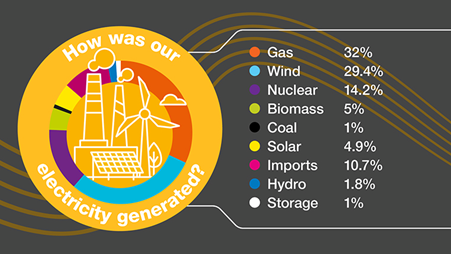
Check out this great graphic, from the people that operate the UK’s electricty systemn, explaining the UK 2023 Energy mix. Check out their full 2023 review here: https://www.nationalgrideso.com/news/britains-electricity-explained-2023-review
Why is this important?
You may be wondering why I have been talking about how we produce energy and not just telling you why it’s so expensive right now. But knowing how the UK makes energy is really important for understanding why energy prices change.
Imagine it like this: the way we produce energy, whether from wind, gas, or other sources, affects how much it costs. If something happens, like a problem with a gas supply or more use of renewable energy, it can impact prices. By understanding this mix of energy sources, we can predict why prices might go up or down. It’s like looking at the ingredients in a recipe to understand how the dish will taste – in this case, how much we’ll pay for our energy.
So, let’s tuck into this recipe and find out the reasons why some of these ingredients are so expensive right now.
Supply & Demand and Energy Prices: The Global energy Market Amidst COVID-19
Supply & Demand is a well-known subject to economists. In short, the less supply (availability) of a product or service the more expensive it becomes and the more supply, the cheaper it becomes. This would seriously impact energy prices during the pandemic.
COVID-19 shook up the global energy scene, playing a huge role in how much energy we needed. As countries went in and out of lockdowns, the availability and pricing of energy products like gas fluctuated because of changes in supply and demand.
During lockdowns, when businesses slowed down, we used less energy. But as things started to pick up again and lockdowns lifted, we cranked up our energy usage to get back to normal.
The energy industry had to hustle to keep up with these changes. And because each country tackled COVID-19 differently, the impact on energy supply and demand varied across regions.
Weather also played a part. When it got cold, we needed more energy to heat our places. And when it got hot, we blasted the air conditioning, using even more energy.
So, navigating the energy scene during COVID-19 was like dancing to the beat of changing supply and demand. It required us to stay flexible and adapt to keep up with the rhythm of the market.
Recap:
- The global energy market moves according to supply and demand, affecting how much energy we use.
- Changes like pandemic lockdowns and weather conditions play a big role in how much energy we need.
- It’s important to stay flexible and keep up with market trends to manage your energy wisely.
Industry Challenges and Energy Prices in the UK: Insights from the French Pipeline Fire
Let’s take a look back at September 2021 when a pipeline fire in France set off a series of events that had a big impact on how energy is priced in the UK. This incident shed light on some vulnerabilities in the industry and how they can affect what we pay for energy.
When the pipeline fire happened, it caused the prices for trading gas to shoot up. This put a lot of pressure on energy suppliers in the UK. Some of them couldn’t handle the higher costs and ended up going out of business. This left many people and businesses scrambling to find new energy suppliers. And to make matters worse, those who had to switch suppliers ended up having to pay more because they couldn’t keep the same prices they had before.
For businesses that didn’t already have a contract with an energy supplier or whose contracts were about to end, the cost of energy shot up dramatically. By the end of 2021, energy prices had doubled compared to just six months earlier. This hit hard, especially for businesses that were already struggling after dealing with COVID-19 lockdowns for so long.
The effects of all this went beyond just energy suppliers. Businesses that were having trouble paying their energy bills started to go out of business too, creating a kind of ripple effect across different industries. And as energy companies tried to make up for their losses, they ended up raising prices even more, making things even tougher for everyone.
This whole situation shows us just how unpredictable and tough industries can be when they’re hit with unexpected challenges. It’s a reminder that we all need to be ready to adapt and find ways to deal with whatever comes our way.
Recap:
- The 2021 pipeline fire in France triggered a surge in gas trade prices, impacting UK energy suppliers.
- Many suppliers went insolvent, leaving customers searching for alternatives and facing higher prices.
- Businesses and individuals without contracts faced significant energy cost increases.
- Energy prices doubled by the end of 2021 compared to six months earlier.
- The industry’s volatility led to a chain reaction of insolvencies across various sectors.
- Energy companies raised prices to mitigate losses, exacerbating financial burdens.
- This highlights the importance of resilience in industries vulnerable to external shocks.
Geopolitical Events and Energy Prices: Understanding the Impact of Russia’s Invasion of Ukraine

In February 2022, Russia’s invasion of Ukraine sent shockwaves through global markets, particularly impacting energy prices. As the conflict escalated, Western governments responded with sanctions aimed at dissuading and penalising Russia. Given Russia’s status as a major exporter of oil and gas, these sanctions included reductions or halts in purchasing Russian energy resources, driven by the desire to avoid financing Russia’s military actions.
The sanctions prompted many Western companies to withdraw from Russia, grabbing headlines as prominent names like MacDonalds, Nike, and Apple exited the market. However, lesser-known but equally significant departures, such as those of BP and Shell, had a substantial impact. These companies possessed expertise in oil and gas extraction and transportation, leading to a decrease in global energy production and distribution.
While the UK sourced only around 5% of its gas from Russia, the interconnected nature of global markets magnified the consequences. Parts of Europe heavily reliant on Russian gas, up to 80% in some cases, began seeking alternative suppliers, including those traditionally providing gas to the UK. This shift disrupted supply chains and exacerbated already high energy prices.
In summary, Russia’s invasion of Ukraine triggered a chain reaction affecting energy prices worldwide, highlighting the interconnectedness of global markets and the significant role of geopolitics in energy prices.
Recap:
1. The geopolitical fallout from Russia’s invasion of Ukraine reverberated through global markets, impacting energy prices significantly.
2. Western sanctions against Russia disrupted energy markets, with major companies like BP and Shell withdrawing from the country.
3. Although the UK’s direct reliance on Russian gas was minimal (around 5%), the interconnectedness of global markets amplified the impact.
4. Parts of Europe heavily dependent on Russian gas sought alternative suppliers, leading to supply chain disruptions and further price hikes.
5. Russia’s actions underscore the critical role geopolitical events play in shaping energy prices on a global scale.
Inflation and Energy Prices: A Key Economic Connection
Inflation has been a pressing global concern since 2021, with varying impacts across countries, including the United Kingdom. Despite a gradual decline from its peak of nearly 12%, inflation in the UK remains above the targeted 2%. One significant factor contributing to this persistent inflationary pressure is the interplay between inflation and energy prices.
Impact on Energy Costs
The production and transportation of energy are vital components of the economy, influencing various sectors and businesses. However, these processes have faced escalating costs due to a combination of factors previously discussed. As businesses grapple with higher operational expenses, they are compelled to raise prices to maintain viability.
Pressure on Wages and Inflation
The ripple effects of increased energy prices extend beyond businesses to individuals. As consumers face elevated energy bills and other associated costs, they exert pressure on employers to raise wages to cope with the heightened cost of living. This phenomenon fuels inflationary pressures, creating a precarious cycle of rising prices and wages.
Government Responses and Economic Policy
In response to escalating inflation, governments often resort to employing interest rate adjustments as a primary tool. By increasing interest rates, policymakers aim to curb borrowing, thereby reducing spending and cooling down the economy. This strategy is commonly referred to as “taking the heat out of the economy” and serves to mitigate the inflationary spiral.
Recap:
- Inflation remains a persistent issue globally, including in the UK.
- Rising energy prices contribute significantly to inflationary pressures.
- Increased production and transportation costs drive businesses to raise prices.
- Consumers facing higher costs exert pressure on employers to increase wages.
- This cycle of rising prices and wages fuels inflation.
- Governments often raise interest rates to curb borrowing and mitigate inflation.
- Adjusting interest rates is a key strategy to “take the heat out of the economy.”
Understanding how inflation and energy prices intertwine gives us valuable insights into the intricate dance of economic policies and challenges, not just in the UK but around the world.
Climate Changes Impact on Energy Prices: Understanding the Connection
Let’s talk about something important: how climate change is shaking up our world, and what it means for energy prices. It’s not just about saving the planet anymore; it’s about understanding how these changes affect our everyday lives.
Weather Disruptions:
Climate change brings more severe storms and heatwaves, causing disruptions in energy infrastructure. This leads to supply shortages and higher production costs, which in turn result in increased energy prices.
Shift to Renewable Energy:
As we move towards cleaner energy sources like solar and wind power to combat climate change, there are initial costs involved in setting up the infrastructure. While this transition is positive in the long run, it can lead to short-term fluctuations in energy prices.
Policy Effects:
Climate change policies, such as carbon pricing and renewable energy mandates, influence energy prices by affecting production and consumption costs. These policies shape the energy market and contribute to changes in pricing.
Recap:
- Weather disruptions increase production costs, leading to higher energy prices.
- Transitioning to renewable energy involves initial costs, causing short-term price fluctuations.
- Climate policies like carbon pricing influence energy market dynamics and pricing
Understanding how climate change impacts energy prices helps us prepare for the challenges and opportunities it brings. By investing in renewable energy infrastructure and implementing effective climate policies, we can work towards a more sustainable and affordable energy future but this is going to cost us in the short-term and that is reflected in current energy prices.
Final thoughts:
In a nutshell, the wild ride of energy prices in the UK since 2021 has been down to a rollercoaster of global events:
- pandemic pandemonium
- Industry challenges
- Geopolitical jitters
- Inflammatory Inflation
- Climate chaos.
This means that it’s been a tough time for businesses and households alike, but there are lessons to be learned for governments and industry. As we look ahead, it’s clear we need to buckle up and invest in domestic and renewable energy solutions to weather future storms and keep costs down for everyone.
However, if these high energy prices are still affecting your business, find out how:
How Invew can help you:
If you want any further help understanding your energy bill and want to speak to an expert about business energy, completely free, get in contact with us. Here’s why:
- We have operated in the energy market since 2006, which has given us in-depth knowledge of the market, enabling us to navigate complex pricing structures and identify the best deals tailored to your Business’s specific needs
- We are experts in negotiating with suppliers and securing competitive rates
- We will streamline the contract process, saving you valuable time and effort
- We are always on hand throughout the length of your contract should there be a query or dispute with the supplier
We hope you enjoyed this guide and we look forward to hearing from you!


